
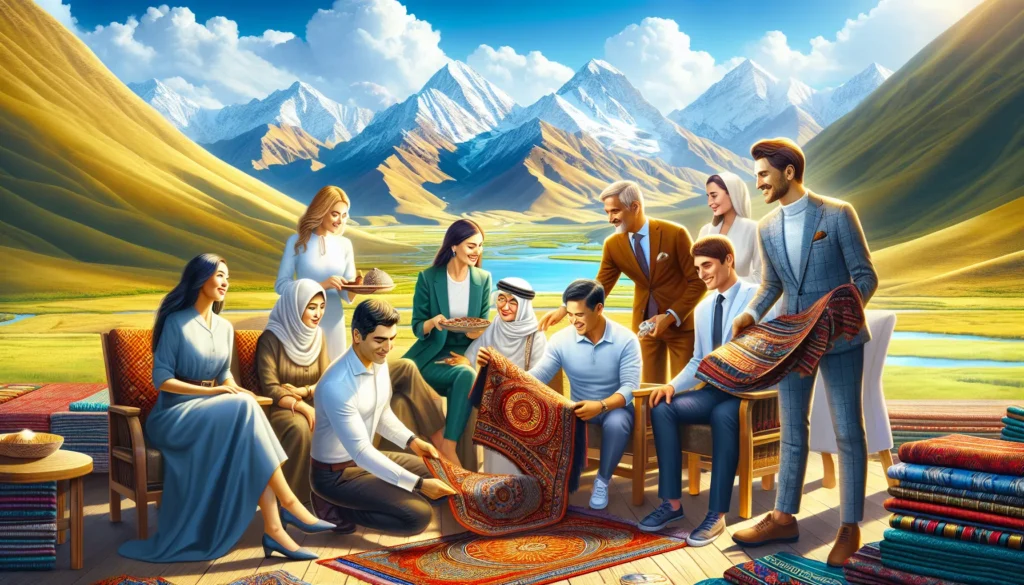
Welcome to our exploration of Uzribitan, a gem often overlooked but bursting with history and charm. You might be wondering, where on Earth is Uzribitan, and why should we care? Well, buckle up because we’re about to unfold the fascinating tapestry of this incredible place, blending our past, present, and an exciting future. It’s filled with intriguing traditions, mouthwatering cuisine, and a vibrant culture that might just inspire your next travel adventure.
Historical Background of Uzribitan
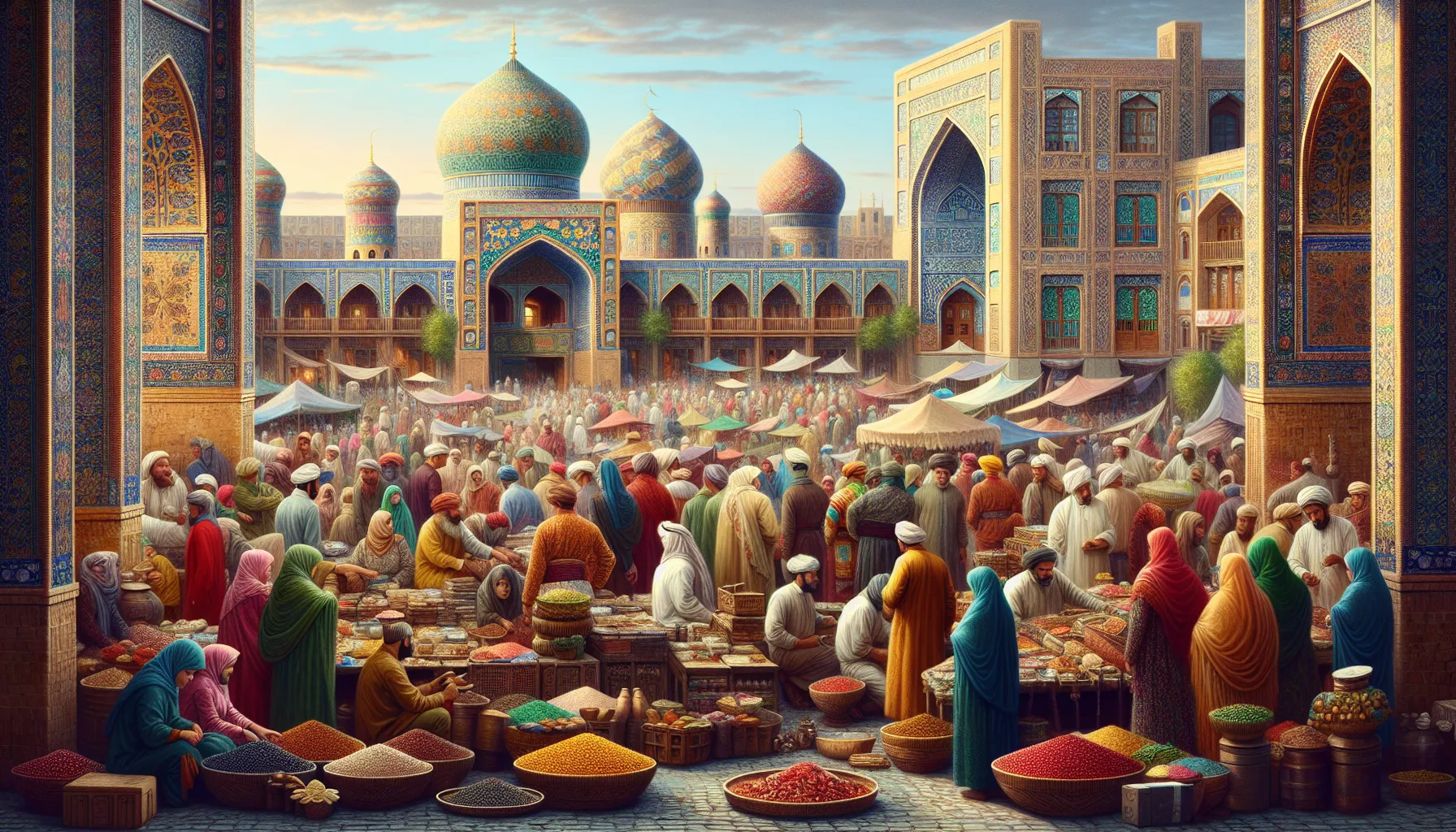
Uzribitan’s history is like a novel, rich in characters and events that shaped its identity. We can trace the roots of Uzribitan back to ancient civilizations that thrived along its fertile plains, using this land for agriculture and trade. Over centuries, various cultures intertwined here, creating a mosaic of influences that contribute to Uzribitan’s unique heritage.
The Silk Road played a pivotal role in Uzribitan’s historical narrative. Merchants, travelers, and scholars passed through, and each left behind a piece of their culture, whether in the form of architecture, art, or even spices. This historical melting pot is reflected in the very fabric of Uzribitan today, where echoes of the past resonate in its streets and markets.
Geographical Features and Significance
Imagine standing in Uzribitan, surrounded by breathtaking landscapes that are nothing short of postcard-perfect. Nestled between majestic mountains and lush valleys, Uzribitan boasts geographical features that don’t just please the eye but also play a vital role in sustaining its community.
The unique climate supports diverse flora and fauna, making it a hub for nature enthusiasts. With rivers flowing through its heart, water has been a lifeline for agriculture and irrigation, crucial for cultivating Uzribitan’s rich farmland. We can appreciate how geography has influenced not only the economy but also the lifestyle and traditions of the people living here.
Cultural Practices and Traditions
The cultural practices of Uzribitan are vibrant and colorful, much like a traditional tapestry. As we investigate deeper into the customs and traditions here, we discover dances, music, and festivals that tell stories passed down through generations.
One of the highlights is the annual celebration of traditional crafts, where we witness artisans showcasing their skills in pottery, weaving, and woodwork. These events aren’t just about the crafts themselves: they’re opportunities for connection and community bonding. Music and dance, often performed during these festivals, are infused with emotions that reflect the joys and struggles of life in Uzribitan.
Cuisine of Uzribitan
Now, let’s talk about what we all love, food. The cuisine of Uzribitan is a feast for the senses, a melange of flavors and spices that will make your mouth water. Picture this: plov, a traditional rice dish, cooked to perfection with tender meats and a blend of spices, creating an aroma that tempts even the most discerning palate.
Street vendors offer us a taste of local snacks such as samsa, flaky pastries stuffed with meat, and delicious fruits that seem to burst with flavor. Dining here isn’t just about the food: it’s about sharing a meal with family and friends, strengthening bonds over plates of culinary art. Each bite tells a story, a piece of Uzribitan’s culture that has been perfected over centuries.
Modern Developments and Future Prospects

As we reflect on Uzribitan today, we see a land that bridges tradition with modernity. Recent developments in infrastructure and technology are paving the way for a promising future while ensuring that cultural heritage is preserved.
Tourism is on the rise, allowing visitors to explore not only the stunning landscapes but also the rich history and culture that define Uzribitan. We are excited about sustainable development initiatives that aim to foster economic growth while respecting the delicate balance of nature and tradition.