
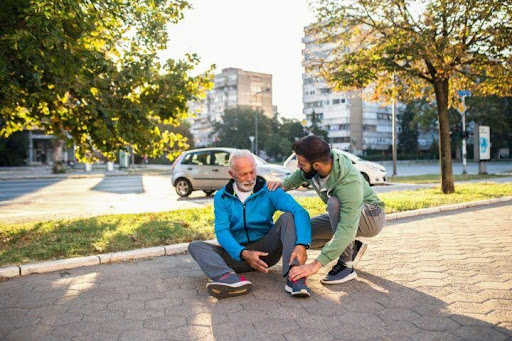
Road rash is an injury that many people underestimate at first. It may look like nothing more than a scraped knee or arm, but it can quickly become painful and complicated if not treated properly.
Knowing the facts about road rash and understanding what steps to take after it happens can help you avoid infection, reduce long-term damage, and heal more comfortably.
What Road Rash Really Is
Road rash occurs when skin is scraped against a rough surface like asphalt, concrete, or gravel. This type of injury is most common in motorcycle accidents, bicycle crashes, and falls involving skateboards or scooters.
Road rash can range from mild surface scrapes to deep wounds that remove multiple layers of skin. In severe cases, muscle or bone may even be exposed. Because debris is often embedded into the skin, road rash requires careful cleaning and ongoing care.
Get to Safety and Check for Other Injuries
After suffering a road rash, the first thing to do is make sure you are safe. If the injury happened in traffic or near moving vehicles, move to a safer location as soon as you can. Once you are out of danger, take a moment to assess your condition. Road rash often happens alongside other injuries such as broken bones, head trauma, or internal injuries.
If you feel dizzy, confused, or experience intense pain, do not ignore these symptoms. Seek emergency medical attention right away. Even if the road rash itself looks manageable, other injuries may not be immediately obvious.
Clean the Wound Thoroughly
Cleaning the wound is one of the most important steps in treating road rash. Dirt, gravel, and small rocks are often ground into the skin during a fall. Leaving debris in the wound increases the risk of infection and can lead to permanent scarring.
Rinse the wound gently with clean water or saline to remove visible debris. This process can be uncomfortable, but it is necessary for proper healing. Avoid using alcohol or hydrogen peroxide directly on the wound, as these substances can damage healthy tissue and slow recovery. If the wound is large, deep, or difficult to clean, medical professionals may need to step in to ensure it is properly treated.
Stop Bleeding and Cover the Area
Road rash often causes bleeding, especially if deeper layers of skin are affected. Apply gentle pressure with clean gauze or a cloth until the bleeding slows or stops. Once the bleeding is under control, cover the wound with a sterile, nonstick dressing. Keeping the injury covered protects it from bacteria and reduces irritation caused by clothing or movement.
Change the bandage regularly, especially if it becomes wet or dirty. Clean bandages play an important role in preventing infection.
Apply Antibiotic Ointment
After cleaning the wound and before covering it, apply a thin layer of antibiotic ointment. This helps reduce the risk of infection and keeps the wound from drying out too quickly. Avoid using too much ointment, as excessive moisture can slow healing. Always wash your hands before touching the wound to prevent introducing bacteria.
Manage Pain and Discomfort
Road rash can be painful, especially during the first few days. Over-the-counter pain relievers such as ibuprofen or acetaminophen can help manage discomfort and reduce inflammation. Resting the injured area and avoiding unnecessary movement can also help minimize pain.
As healing begins, itching is common. While it may be tempting to scratch or pick at the wound, doing so can delay healing and increase scarring. Let the wound heal naturally and keep it protected.
Watch Closely for Infection
Infection is one of the most serious risks associated with road rash. Check the wound daily for signs such as increased redness, swelling, warmth, pus, or worsening pain. Fever or red streaks spreading from the wound are also warning signs. If you notice any of these symptoms, contact a healthcare provider as soon as possible.
Seek Medical Care When Needed
Not all road rash injuries can be treated at home. Deep wounds, large abrasions, or injuries that do not improve within a few days should be evaluated by a medical professional. In some cases, stitches, prescription antibiotics, or specialized wound care may be required. Severe road rash may need treatment from a burn or wound specialist.
Protect the Skin During Healing
Once the wound begins to close, protect the area from sun exposure. Sunlight can darken scars and make them more noticeable over time. After the skin has healed, using moisturizer regularly may help improve skin texture and appearance.
Final Thoughts
Road rash may seem like a minor injury, but it should never be ignored. Taking the right steps after an accident can make a major difference in how well you heal and how your skin looks long-term. With proper cleaning, protection, and attention, most road rash injuries can heal safely and effectively.