

Gartner’s latest forecast report reveals that in 2026 there will be 116 million electric vehicles on the road, marking a 30% increase of EVs in use worldwide. The sales for electric automobiles are surging mostly because of rising fuel prices, the pressure to reduce emissions, and mitigate global warming. What does this mean for cities? Current transport architecture in towns needs to change to keep pace and support individuals and businesses electrifying their commute. This means developing EV-first cities, where electric mobility using electrified public buses and trains and private cars functions with ease. So, how do you build a city that makes electric transport the default and not an alternative? This post provides details on how a city can become EV-centric to future-proof mobility. It highlights the steps cities should implement when driving towards a green future made up of an all electric transport network, including buses, trucks, cars, and trains.
Lead with Policy-Driven Goals
Before the development of an EV-first city, local authorities and stakeholders should ask themselves these questions: Are there bold adoption targets in place? Does the city have a phase-out timeline for gas-powered or internal combustion engine automobiles or locomotives? There’s a growing momentum for ICE phase-outs in major cities like Paris, San Antonio, London, and Copenhagen. London, for example, announced the ban of cars running on gasoline in 2017 to ensure all cars driven in the city are electric by 2030.
What else can governments do to promote transport electrification? Give consumers incentives to make EVs more affordable than petrol and diesel vehicles. Financial support can be offered to local manufacturers as well. If local automakers get tax exemptions or production subsidies, for instance, they can double or even triple local manufacturing, making EVs accessible. When implemented, such policies can help win the trust of the public in meeting set goals while eliminating uncertainties for investors, particularly infrastructure developers.
Plan for Comprehensive Charging Infrastructure
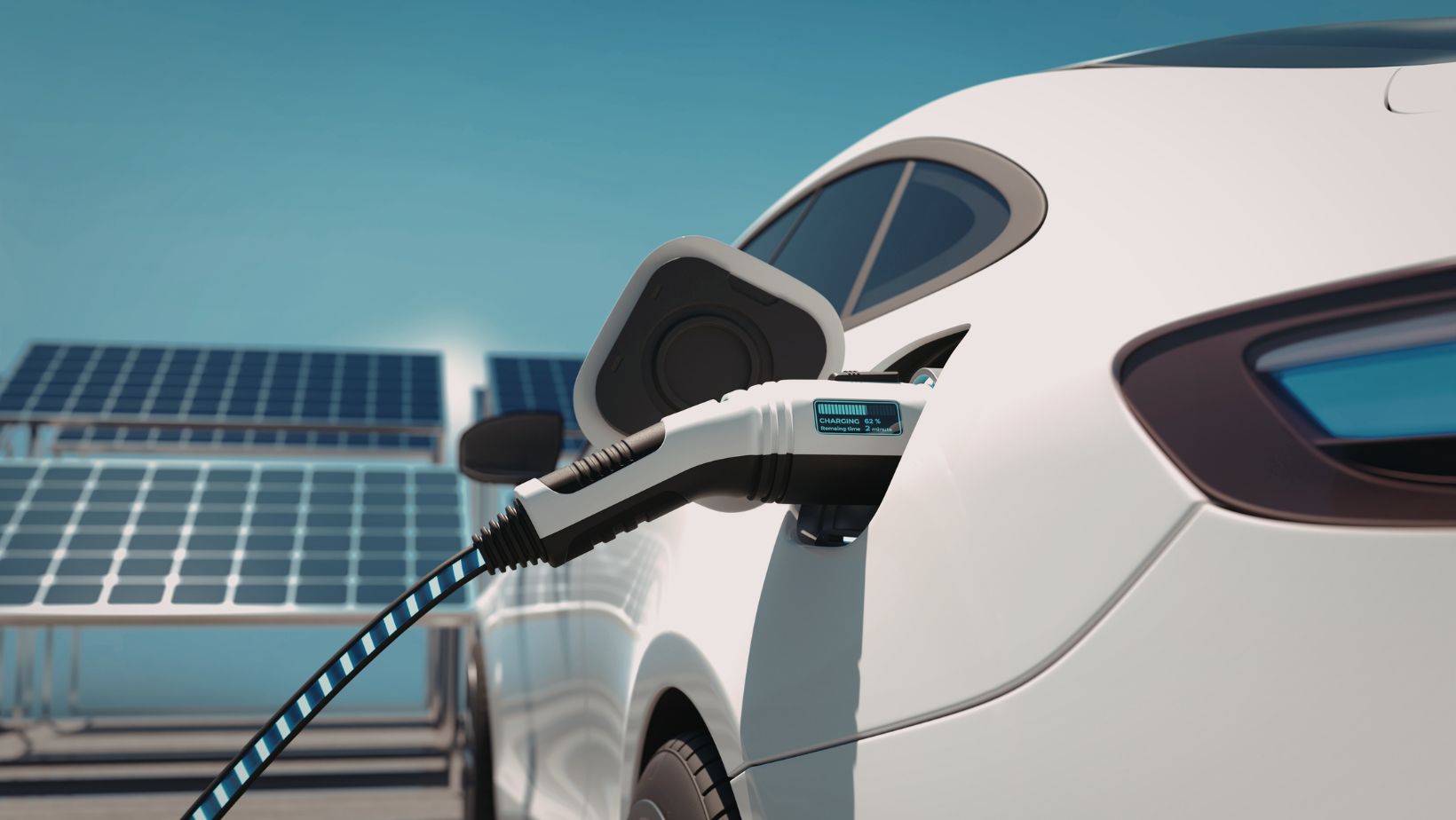
As the number of EVs on roads increases, charging can be a challenge for consumers. One solution is to have a comprehensive vehicle charging infrastructure strategy. This should include fast chargers, such as Level 3 and Level 4 stations along major city roads and highways. A city could integrate EV chargers into public parking zones or in apartments for residential charging. However, before installing chargers at different locations, local governments need to analyse their city’s traffic patterns, residential and commercial layout, and electricity capacity.
Doing so helps identify infrastructure gaps and ideal spots for setting up chargers. For example, a metropolis can have more chargers installed at auto dealerships to encourage buyers to shift to electric rides. Implementing dealership EV charging can be a win-win for a city and auto dealer shops. Through incentives, dealerships can purchase and set up fast chargers and meet consumer demands, increasing their profitability and value. A metropolitan can experience high EV adoption, thus meeting their zero-emission targets. Integration of EV chargers into urban architecture could also entail repurposing old telephone booths and cable cabinets to charging stations. New York and the UK are pioneers of these charging innovations that make car charging convenient. Urban centers can also use lampposts as vehicle chargers or install chargers on sidewalks. What about electric train infrastructure? Cities can install a catenary system or overhead power lines or a third rail that’s electrified or powered by renewable power like solar.
Future-proof by Electrifying Public Transportation First
You must be thinking: why prioritize the electrification of public transportation? An urban center that electrifies buses, public taxis, commuter trains, and municipal vehicles, such as service vans and waste trucks, witnesses a significant reduction of tailpipe emissions. This means air quality in the city improves, enhancing public health, particularly in densely populated regions. Although the upfront cost of electrifying public transport is high, cities can save on maintenance and cheaper fuel expenses.
E-buses and e-trains have large batteries for mobile energy storage. This feature makes them grid-resilient, as they can feed power or electricity back to the grid during emergencies and peak demand. Another perk city commuters can’t miss when riding electric public transport is the quiet, less vibrational rides and comfort. Shenzhen’s transition to electrified public buses from ICE models, is a perfect example of how cities can adopt large-scale public transport electrification.
Building a city that supports EVs 100% isn’t just about discouraging the use of internal combustion engines on urban roads. It’s about improving a city’s air quality, supporting grid independence, developing smarter infrastructure, and minimizing operating costs. And how best can metropolitans achieve these objectives? By having policy-driven visions and investing in comprehensive chargers. Cities, both small and big should also electrify public transport first to make EV mobility sustainable.