

As digital landscapes evolve, virtual cities are offering eco-conscious urbanites new ways to work, play and unwind—without adding to their carbon footprint.
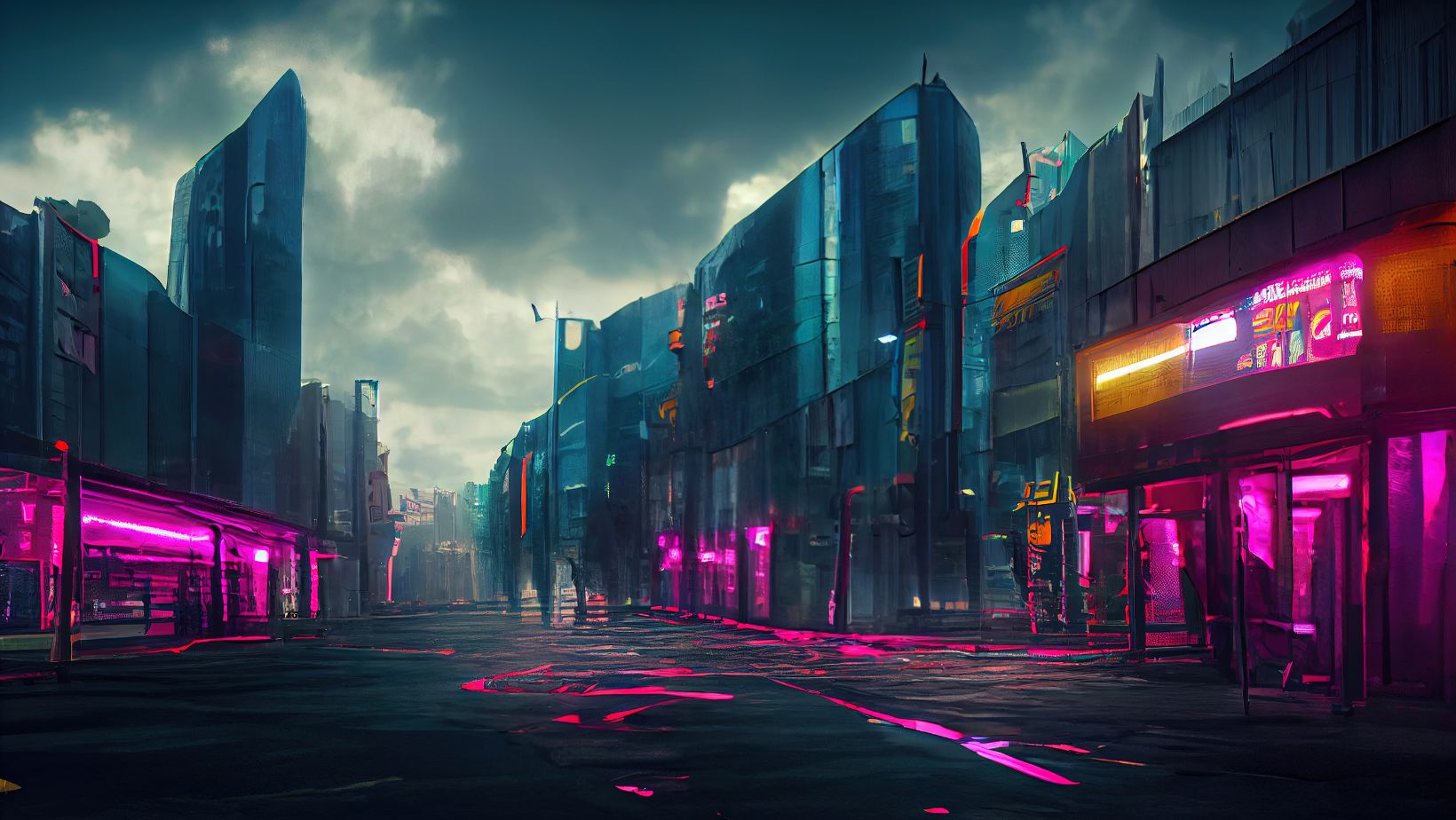
In a world where every square meter of urban space counts, and every carbon emission faces scrutiny, cities are being reimagined not just in concrete and steel, but in code. From digital twins used by planners to model traffic flow, to entire virtual environments that mimic real-life urban ecosystems, the rise of the virtual city is reshaping how we think about sustainability, mobility and even leisure.
While these spaces can’t replace the physical world, they’re increasingly being used to supplement it, with major implications for the way we live and relax. Virtual environments can serve as testbeds for more efficient transit networks or greener zoning decisions and they’re also emerging as places where people engage in responsible entertainment that doesn’t involve travel, noise or the emissions that go with a night out.
The Digital Twin Revolution
City planners have already begun using digital twins—complex, data-rich replicas of urban spaces—to simulate and solve real-world problems. These tools let governments model everything from flood risk and waste collection routes to energy consumption patterns and traffic bottlenecks.
Take Singapore, which launched its Virtual Singapore initiative years ago. This project allows urban designers and policy-makers to stress-test decisions in a fully simulated city. Adjusting a bus line? Trial it virtually first. Considering zoning changes? Evaluate their impact on green space or pollution in real time.

Crucially, these models don’t exist in isolation. They pull in data from IoT devices, traffic cameras, weather patterns and more, creating feedback loops that are live and adaptive. It’s not just planning—it’s planning with foresight.
Entertainment Goes Virtual—And Greener
What’s perhaps more surprising is how these virtual frameworks are influencing lifestyle habits, too. Entertainment no longer requires a commute or a venue. Music fans gather in digital concerts; gamers meet in shared virtual worlds; and casino players explore entire platforms without leaving their flat.
In this context, platforms like finest online casinos become part of a broader shift towards sustainable leisure. Instead of flying to Vegas or driving to a resort, users can access immersive, socially interactive environments from their sofa. No air conditioning-heavy venues, no fuel costs, no late-night taxi rides.
This isn’t about glamourizing gambling—it’s about observing how digital recreation fits into a broader trend toward low-impact lifestyles. Virtual entertainment platforms are increasingly designed with responsible use tools and data-driven safeguards, allowing for time limits, spending caps and self-exclusion options. They aren’t just replicating physical spaces—they’re reimagining them in smarter, leaner ways.
Virtual Public Spaces, Real Community
The idea that virtual spaces are isolating is quickly becoming outdated. Many of these environments serve as legitimate communal areas. Think of online forums that replicate public squares or chat-enabled multiplayer worlds that mimic cafes and social clubs.
Digital hangouts can complement physical cities by reducing overcrowding and offering alternative forms of connection. For those with mobility limitations or living in transit-poor areas, these platforms represent access, not escapism. They remove barriers, not just carbon.
In urban contexts where gentrification pushes entertainment out of reach for many, the rise of digital alternatives could serve a democratizing function—an affordable, inclusive layer that sits atop the traditional urban grid.
The Intersection Of Mobility And The Metaverse
Transport innovators are also paying attention. As cities begin integrating smart traffic systems and AI-driven public transport, they’re taking cues from virtual platforms where user behaviour is logged and adapted to in real time.
Some are even borrowing concepts from gaming environments to make ride-hailing services more intuitive or using VR simulations to improve driverless vehicle safety.
In fact, companies working on the next generation of urban mobility tools have begun collaborating with developers from the entertainment industry to gamify transport interactions. These ideas feed back into the city’s physical layer—better signage, smoother user interfaces for ticketing and multimodal journey planning.
It’s a two-way flow: digital cities influence physical ones and vice versa. And in between them sits the user, navigating both with increasing fluidity.
Ethical Leisure In The Era Of Climate Anxiety
With climate consciousness climbing, many are reconsidering how their leisure time affects the planet. Long-haul trips for recreation are facing scrutiny and even domestic travel is under review. Digital entertainment—when thoughtfully regulated—offers a compelling alternative. That’s not to say people should abandon real-world experience. It’s not binary. But choosing to unwind in a virtual casino or social platform from home can be one small way to cut down on consumption without sacrificing joy.
Of course, this hinges on platforms upholding ethical standards. Authorities and NGOs continue to push for greater transparency, data privacy and safeguards around digital experiences—particularly in gaming and gambling contexts. But where those protections exist, the digital realm offers significant upsides in terms of both sustainability and accessibility.
Where Virtual and Physical Cities Converge
The virtual city is not a gimmick. It’s a rapidly evolving layer of urban life—interwoven with mobility, sustainability and leisure. Whether through the use of digital twins in city planning or the quiet growth of virtual entertainment platforms, we’re seeing a shift in how cities are imagined and experienced.
For environmentally conscious individuals, this presents a compelling invitation: engage more deeply with the spaces you inhabit, both physical and digital. Choose leisure options that reduce your impact. And see the city not as a static entity, but as a living, adaptable system, one that stretches far beyond its physical borders. As the boundary between digital and urban continues to blur, the key question isn’t whether these spaces will shape our future. It’s how wisely we’ll choose to inhabit them.