
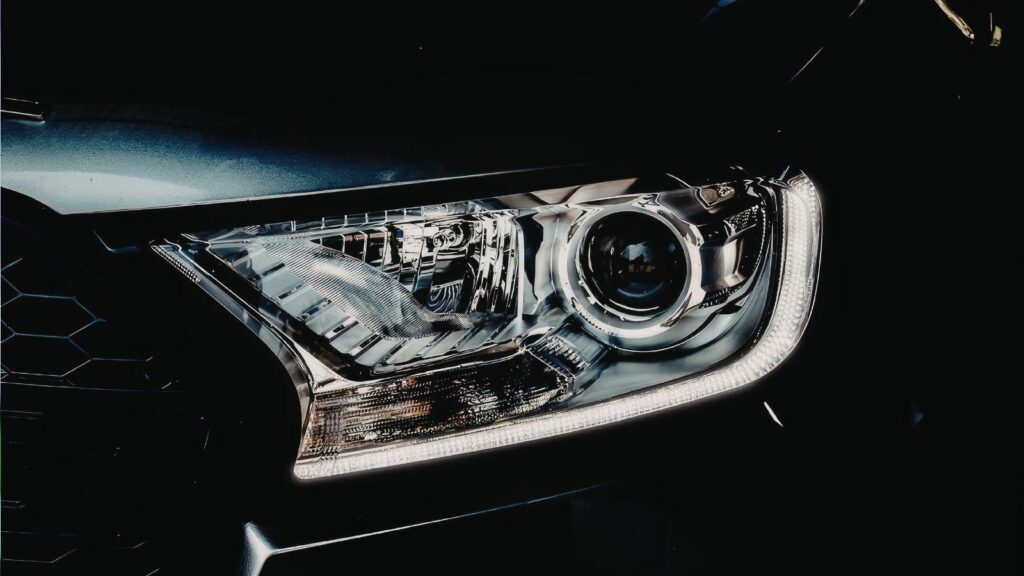
Night driving can significantly reduce visibility and reaction time, especially in urban, suburban, and rainy conditions. That is why many modern drivers are turning to lighting upgrades to improve safety and driving confidence.
Driving at night presents several challenges:
- Urban environments, where glare from streetlights and traffic reduces clarity
- Suburban or rural roads, where limited lighting affects visibility distance
- Rainy conditions, where reflections scatter light and reduce contrast
Poor lighting in these situations can lead to slower reaction times, increased eye strain, and reduced confidence. As a result, more drivers are recognizing that lighting is not just a feature—it is a critical part of overall driving safety.
Why Modern Vehicles Need Better Lighting Systems
Modern vehicles are used in a wide range of conditions, from daily commuting to long-distance travel. SUVs, family vehicles, and electric vehicles all place higher demands on lighting performance, especially in low-visibility environments.
Traditional halogen headlights often struggle to meet these needs due to:
- Shorter illumination distance
- Less controlled beam patterns
- Higher energy consumption
As driving conditions evolve, drivers now expect lighting systems that deliver better safety, improved efficiency, and stable performance across different environments.
Key Benefits of Car LED Lights
Car LED lights are a modern lighting solution that improves visibility, energy efficiency, and driving safety compared to traditional halogen systems.
Key advantages include:
- Clearer road visibility, helping drivers detect obstacles earlier
- More stable beam patterns, with evenly distributed light
- Lower energy consumption, ideal for daily driving and EVs
- Longer lifespan, reducing maintenance and replacement frequency
Compared to halogen systems, LED headlights provide more precise illumination and more consistent output, making them a practical upgrade for everyday drivers.
Beam Pattern Matters More Than Brightness
Many drivers assume that brighter headlights automatically improve visibility. In reality, brightness alone does not guarantee safer driving.
A poorly controlled light source can create glare that:
- Reduces visibility for oncoming drivers
- Causes eye strain
- Lowers overall road clarity
A well-designed beam pattern is far more important. It should:
- Provide a clear cutoff line
- Deliver focused and even illumination
- Improve contrast for better object detection
In real-world driving, a controlled beam pattern offers greater safety benefits than simply increasing brightness.
Energy Efficiency and Long-Term Value
Energy efficiency is another major advantage of LED lighting. Compared to halogen bulbs, LED headlights consume less power while delivering stronger and more consistent illumination.
This is especially important for:
- Electric vehicles (EVs), where efficiency affects driving range
- Daily commuters, who rely on consistent performance
LED headlights also provide long-term value through:
- Reduced replacement frequency
- Lower maintenance costs
- More reliable performance over time
What to Look for in a Reliable LED Headlight Upgrade
Choosing the right LED upgrade is essential for performance and compatibility. Key factors to consider include:
- Plug-and-play design
Easy installation without complex setup - No wiring modifications
Direct fit into factory sockets - Efficient heat dissipation
Helps maintain stable performance and extend lifespan - Vehicle compatibility
Ensures proper fitment and consistent operation
A well-designed system should combine ease of use with reliable long-term performance.
Real-World Use: Why Drivers Prefer Plug-and-Play LED Solutions
For many drivers, convenience is just as important as performance. Most users prefer solutions that are simple to install and require minimal technical effort.
Common concerns include:
- Avoiding complex wiring
- Not dealing with external components
- Reducing installation errors
Because of this, plug-and-play LED systems have become increasingly popular. These solutions are designed to fit directly into factory housings, reducing installation time and complexity.
Some manufacturers have focused on simplifying installation while maintaining stable beam performance. Brands like Lasfit are often mentioned in this context for their plug-and-play designs and consistent output in everyday driving.
Common Mistakes When Upgrading Headlights
While LED upgrades offer clear benefits, mistakes during selection or installation can reduce effectiveness.
Common issues include:
- Focusing only on brightness (lumens)
High brightness without control can cause glare - Ignoring beam pattern quality
Uneven light reduces visibility and safety - Overlooking compatibility
Incorrect fitment leads to poor performance - Improper installation or alignment
Can create glare or dark spots
Avoiding these mistakes ensures a safer and more effective upgrade.
Are LED Headlights Worth It for Everyday Drivers?
For most drivers, LED headlights are a practical upgrade that improves both safety and driving comfort.
They offer:
- Better visibility in low-light conditions
- Improved energy efficiency
- More stable and comfortable lighting performance
These advantages make LED lighting a functional improvement rather than just a cosmetic upgrade.
Conclusion
Modern vehicle lighting is no longer just a basic feature—it is a key part of driving safety. Clear visibility directly impacts reaction time, awareness, and overall driving confidence.
LED headlights provide a balanced solution by offering:
- Improved visibility
- Greater energy efficiency
- Consistent performance
As driving conditions continue to evolve, reliable and easy-to-install lighting solutions are becoming increasingly important. Options like Lasfit fit well into this trend by offering a practical balance between performance, usability, and long-term reliability.