

Been in an electric vehicle accident?
Personal injury claims are already changing quickly. But researchers found that new electric vehicle drivers are three times more likely to cause a crash. This is due to inexperience with the torque effect of an EV.
Here’s what most people don’t realize:
Electric vehicle accidents involve a completely different set of laws and legal issues that can make or break your claim.
In This Article:
- Why Electric Vehicle Accidents Are Different From Traditional Crashes
- The Unique Legal Challenges In Your Claim
- Common Types Of EV Accident Injuries
- How To Protect Your Rights After An Electric Vehicle Crash
Why Electric Vehicle Accidents Are Different From Traditional Crashes
EVs aren’t just conventional gas-powered vehicles with different engines. They’re completely unique and create entirely different dynamics that affect how accidents occur and claims are handled.
Weight Is Even More Important
EVs are much heavier than comparable gas-powered cars. The GMC Hummer EV weighs over 9,000 pounds with 2,900 pounds of that weight coming from the battery alone.
This matters because when two cars collide and one weighs 1,000 pounds more than the other, the fatality risk for occupants of the lighter vehicle goes up 47 percent.
If you’re driving a standard vehicle and are rear-ended by a heavier EV, then the level of damage and potential injuries are much worse. Working with an experienced San Diego car accident lawyer who understands Electric Vehicle accident legal services can help with these important nuances.
Near Silence
EVs are almost completely silent when driving at low speeds. In fact, about 33% of all EV crashes involve cyclists and pedestrians. That’s 1.5x the rate of gas-powered vehicles.
But who is at fault legally? Does a pedestrian have a duty to see a car coming? Is a driver responsible for anticipating that a pedestrian or cyclist won’t hear the vehicle approach?
Battery Fires
The lithium-ion batteries in EVs are also very different from traditional gasoline engines. Fires caused by EV battery damage burn hotter, longer and can even reignite days after an accident.
When it comes to accidents and insurance, this means there is lingering liability for battery fires. Your attorney will need to protect your rights and prevent this from happening.
The Unique Legal Challenges You’ll Face
Why are electric vehicle accident claims so complex?
Multiple Parties Could Be Liable
In a traditional crash claim, you’re often only dealing with driver negligence as the cause of the accident. EV crashes open up entirely new questions of liability, including against the following:
- Vehicle manufacturers for battery defects or software malfunctions
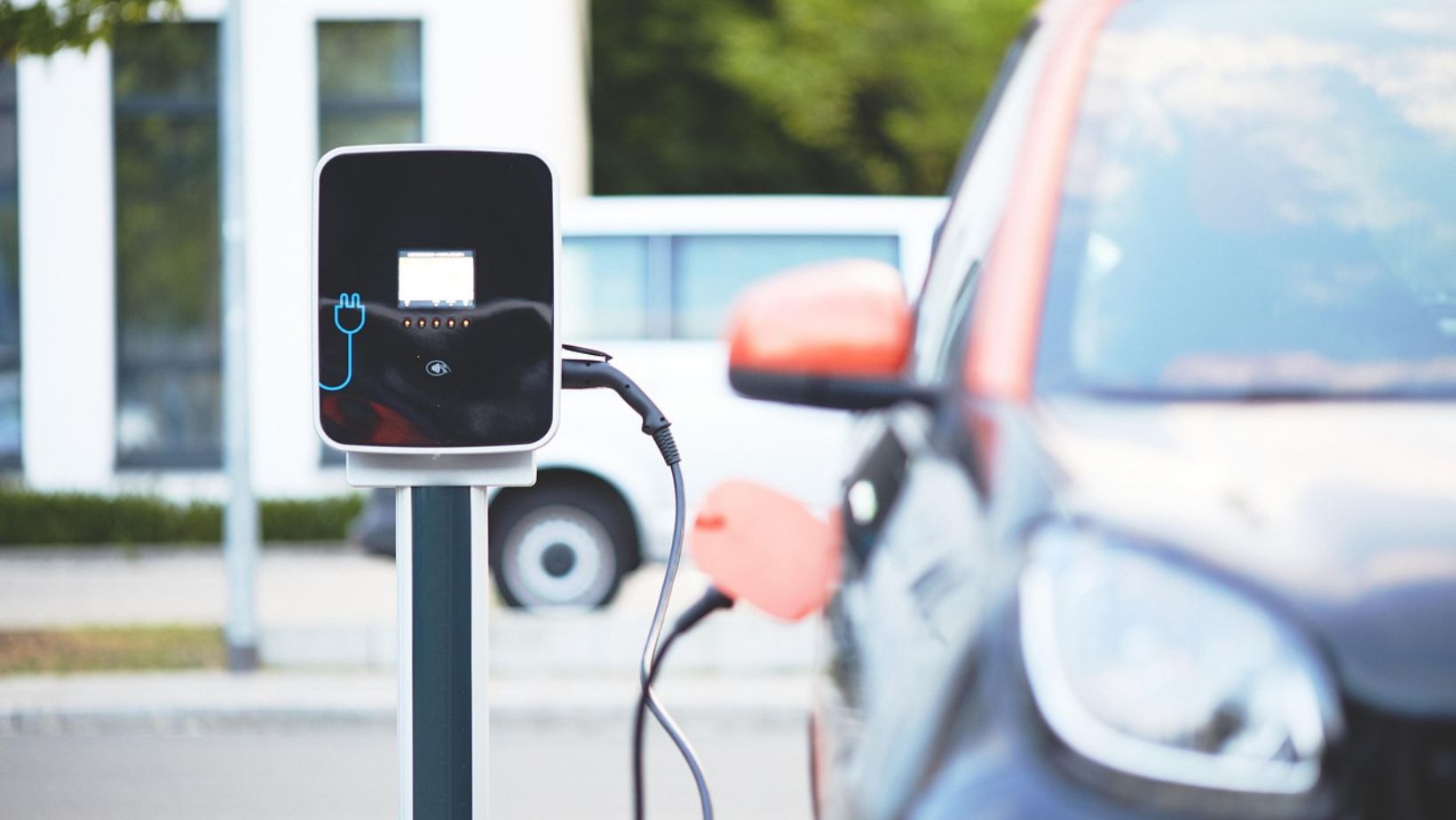
- Charging station operators for equipment failures
- Software developers for autonomous driving errors
- Maintenance providers for improper servicing
You may have multiple defendants in a claim and each will have their own legal team working to shift blame.
Higher Repair Costs Impact Your Claim
Electric vehicles are 6.7% more expensive to repair than traditional gas-powered vehicles. Insurance companies know this and will often work harder to reduce payouts or declare vehicles totaled.
If it’s totaled, your compensation will be much lower.
EVs are totaled nearly 47% of the time after high-speed crashes.
Lack of Legal Precedent
Electric vehicles and the technology that powers them are still relatively new. This means there isn’t the same level of case law history available for attorneys to rely on.
Battery fires, autonomous driving features, and establishing software malfunctions are all areas where your attorney may need to educate a judge and jury.
Common Types Of EV Accident Injuries
Electric vehicle crashes can lead to injuries that are unheard of in traditional car accidents.
Battery-Related Injuries
Damage to an EV battery can cause chemical leaks that lead to:
- Chemical burns and injuries from electrolyte exposure
- Respiratory problems and illnesses from chemical fumes
- Long-term health problems
Specialized medical treatment and higher medical bills result.
Thermal Injuries
EV battery fires burn at a much higher temperature than regular car fires. Burn victims will need skin grafts, suffer permanent scarring and longer hospital stays.
The fact is that traditional car fires are no match for lithium-ion batteries.
Electrical Shock Injuries
EV electrical systems can also deliver powerful shocks that can cause:
- Cardiac issues
- Neurological damage
- Muscle and soft tissue damage
How to Protect Your Rights After an Electric Vehicle Crash
Been in an EV accident? Here’s exactly what you need to do…
Document Everything Immediately
Take pictures of:
- Battery damage and any leaking fluids
- Charging equipment and station details
- Dashboard warnings, unique vehicle features and controls
EV-specific damage can disappear quickly or be easily disputed later. Your attorney will need this evidence.
Get Medical Attention Right Away
Chemical exposure, electrical shocks or heat injuries from an EV accident may not show symptoms for hours or days. Get checked out immediately.
You need a medical record that ties your injuries to the accident right away.
Preserve The Vehicle’s Data
EVs collect data on their speed, acceleration, braking patterns, autopilot engagement and battery status.
Your lawyer needs to send a spoliation letter immediately to preserve this electronic data that will be erased in the normal course of operation.
Don’t Talk To Insurance Companies Alone
Insurance adjusters know that electric vehicle claims are complicated. They’ll try to get you to take a quick settlement before you even understand the full extent of your damages.
Accepting a settlement means you can never come back later for more compensation.
Hire Specialized Legal Help
Not all personal injury lawyers know EV accidents. You need someone that understands how to identify battery defects, the unique technical considerations of regenerative braking and other stopping systems and software malfunctions and other medical concerns after an EV accident.
Getting The Compensation You Deserve
Electric vehicles also involve unique risks and damages that typically are much higher than traditional accident claims. This is because…
- Heavier vehicle size and construction
- Risk of battery fires and property damage
- Additional potential parties that may be liable
The combination of these factors means that settlement values are significantly higher.
Economic Damages
Economic damages cover financial losses and costs including:
- All medical expenses (including specialized treatment for chemical burns or electrical injuries)
- Lost wages and earning capacity
- Vehicle repair or replacement costs
Non-Economic Damages
Non-economic damages are for intangible losses such as:
- Pain and suffering
- Emotional distress (traumatic injuries)
- Disfigurement (scarring or burns)
- Loss of enjoyment of life
Special Considerations For EV Claims
The unique risks involved in EVs, combined with often more severe damages and injuries, mean that settlement values can be significantly higher than traditional accident claims. Here’s why…
The combination of heavier vehicles, battery fire risks and potential product liability claims means that there is often more at stake.
Additionally, multiple parties may share liability in an EV claim which increases the total compensation available to accident victims.
Taking Action On Your Claim
EV accident claims are becoming more and more common every single day. The problem is that these vehicles have only recently become widely available. This means that the legal system has yet to catch up.
That’s why it’s up to you to be proactive about protecting your rights. Evidence can be lost. Witnesses forget details. Insurance companies will use every delay tactic possible.
Don’t wait. The sooner you get experienced legal help the better your chance of securing the full compensation you deserve.
Your Electric Vehicle accident legal services provider needs to have specialized knowledge and experience. Not every personal injury attorney does.
Your entire recovery depends on taking fast action to protect your rights and build the strongest possible claim.