
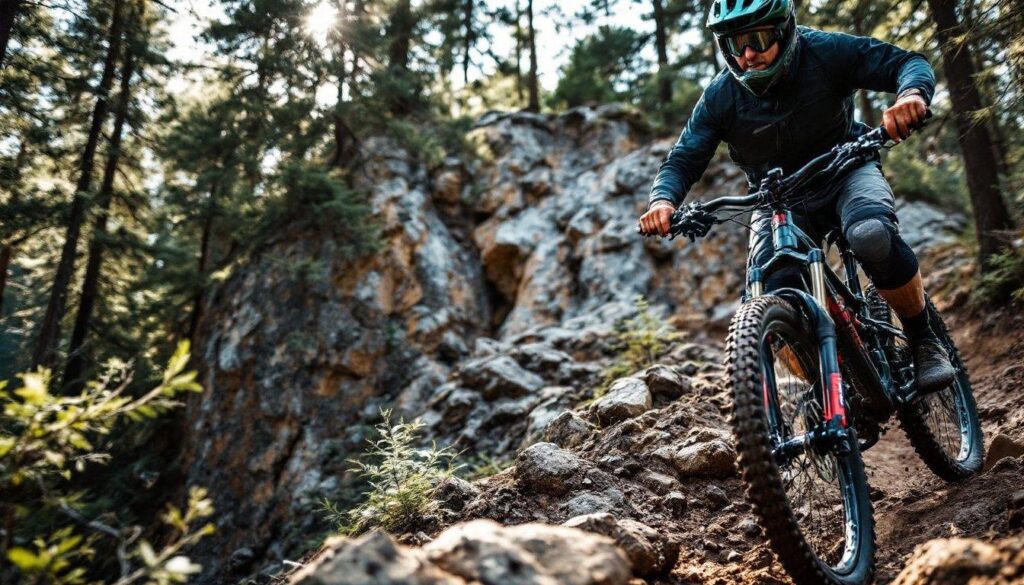
A shuttle day works best when the crew can load up quickly, ride back to the top, and spend more time descending. That calls for enough seats, a secure way to carry bikes, and room for tools and muddy gear. A dedicated rig doesn’t have to be a pricey truck.
Used-car auctions can widen the options. Broker-assisted bidding opens another part of the market. Through car auctions no license required, a licensed auction buyer handles restricted Copart and IAA bidding, giving riders access to vehicles they couldn’t bid on directly. The goal is to find a solid vehicle and leave money for the equipment it needs.
Five used vehicles worth considering for a mountain bike shuttle
These aren’t ranked by sales or popularity. Each suits a different riding setup, from solo trail days to repeated runs with a larger crew. Auction listings for damaged cars for sale may include vehicles with cosmetic dents worth inspecting. Any damage to the structure, suspension or hitch mounting points deserves professional attention before purchase.
1. Subaru Outback — a daily driver that can haul bikes
An Outback can handle everyday driving during the week and gravel trailhead roads on weekends. All-wheel drive is standard, and a compatible hitch rack keeps bikes outside while tools and helmets stay in the cargo area. With passengers in the back, storage gets tight. Check the vehicle’s and hitch receiver’s tongue-weight limits against the combined weight of the rack and bikes. Then confirm the rack’s total capacity and per-bike weight limit, especially for electric mountain bikes (eMTBs).
2. Toyota Tacoma Double Cab — quick turnaround for shuttle laps
The Tacoma separates bikes in the bed from riders in the cab. A fitted tailgate pad helps speed up repeated loading. Toyota offered the 2019 Double Cab with 60.5-inch and 73.7-inch beds, depending on configuration. The extra length helps when arranging several bikes, though both versions require checking wheel and frame clearance. Protect bikes from rubbing and secure loose gear.
3. Honda Element — a compact enclosed setup
Honda designed the Element with rear seats that flip up or come out, creating flexible room for bikes and equipment. The cabin keeps gear out of the weather and can be easier to clean after muddy rides. Element production ended in 2011, so inspect older examples for rust, suspension wear and missed service. It’s best suited to a small crew rather than several riders and bikes at once.
4. Toyota Sienna (2015–2020) — gear space and passenger comfort
Sliding doors and a folding third row make the Sienna useful for longer MTB weekends. On the 2020 model, the second-row seats can also be removed to expand cargo room. With more riders aboard, plan for an appropriate external rack rather than assuming bikes will fit inside. The trade-off is limited ground clearance on rougher access roads.
5. Ford Transit Connect — a dedicated small van
Ford listed 127.4 cubic feet of cargo room behind the front seats in the 2021 long-wheelbase Transit Connect Cargo Van. That leaves room to plan inside bike mounts, tool storage and a washable floor. Choose between the two-seat Cargo Van and passenger Wagon based on the actual crew. Never turn cargo space into passenger seating without approved seats and belts.
How to carry mountain bikes safely
Choose a carrying method after checking the bikes’ weight, wheelbase and how often they’ll be loaded.
|
System |
Good for |
Check |
|
Hitch rack |
SUVs and vans |
Rear-hatch access, rack clearance on steep approaches, and maximum tire width |
|
Tailgate pad |
Pickup beds |
Tailgate fit, downtube strap reach, and backup-camera visibility |
|
Interior mounts |
Suitable vans |
Fork-axle compatibility (if applicable), handlebar clearance, and secure floor mounting |
Long-travel enduro bikes and heavy eMTBs may exceed a rack’s limits even when the rack fits the car. Check whether the rack maker permits use on rough roads. The National Highway Traffic Safety Administration (NHTSA), the federal road-safety agency, advises securing loads against shifting or falling and considering what happens during hard braking or over bumps. The same principle applies to bikes and loose tools.
Preparing for rough trailhead roads
Before buying a lift kit or oversized tires, make the vehicle dependable for the roads it will actually travel:
- Check tires, brakes and suspension for wear.
- Account for ground clearance when fully loaded.
- Secure tools, spare parts and muddy equipment.
All-wheel drive can help on slippery climbs, but many trailheads are accessible without it. Before planning shuttle laps, check that the access road permits motor vehicles and is open for the season. Good tires and brakes matter more than an aggressive-looking off-road package.
Budgeting for the complete shuttle rig
The cheapest listing isn’t always the cheapest finished build. Allow for:
1. Purchase price and a pre-purchase inspection.
2. Essential mechanical repairs and maintenance.
3. Bike mounts, racks and fitting hardware.
4. Taxes, registration and transportation.
5. A reserve for unexpected work.
AAA, the American Automobile Association, estimated maintenance, repairs and tires at 11.04 cents per mile in its 2025 Your Driving Costs study of new vehicles, based on five years and 75,000 miles. That figure isn’t a forecast for a used shuttle rig, but it reinforces the need to budget beyond the purchase price.
For example, a $6,000 van needing $2,500 in repairs and a $700 rack totals $9,200 before fees. An $8,000 van needing $300 in work and the same rack totals $9,000. The second van ends up costing less overall, despite its higher purchase price.
A well-chosen shuttle rig makes repeat runs easier and keeps bikes secure without spending money on unnecessary upgrades. What matters is matching the vehicle, carrying system and budget to the riding the crew actually does.