
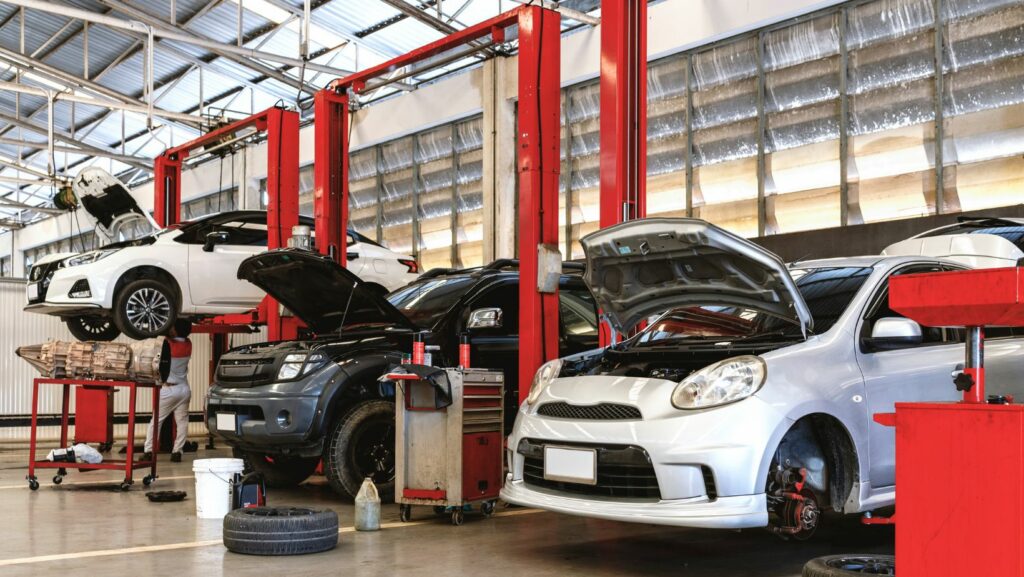
Auto repair shops don’t fail because of bad repairs. They struggle because of broken communication, such as missed updates, delayed approvals and waiting technicians. Customers are calling twice for the same answer.
The real friction in modern shops isn’t under the hood. It’s between people, processes, and paperwork.
With smarter vehicles and customers who want to receive real-time data, manual management of workflow and communication is simply not scalable. That is why efficient auto repair stores are tilting towards using software that gets everybody on track, the front desk, the shop floor, and the phone.
The following are six software platforms that can assist auto repair shops in better organising workflow, minimising miscommunication, and having smoother days.
AutoLeap
AutoLeap is an auto repair shop management software that is an all-in-one solution created to streamline the workflow, communication, and customer experience of an auto repair shop into a single integrated system.
AutoLeap combines scheduling, digital inspections, estimates, invoicing, and messaging into one workflow instead of ping-ponging between tools. It is important since it makes communication better when all people work on the same screen.
Vehicle history, declined services, follow-ups, and reminders are integrated into the repair workflow and not hosted on a different marketing tool. All this is handled by AutoLeap’s built-in CRM that offers a clear overview on customer retention rates and campaign performances.
Service Advisors can update campaigns, request approvals and trigger follow-ups without losing concentration.
Shops using AutoLeap don’t chase information. The system pushes it where it’s needed, automatically.
Why it stands out:
Real-time reporting, automated communication, and end-to-end visibility of workflow to enable the owners to identify bottlenecks before they incur expenditure.
Shopmonkey
Shopmonkey is also reputable due to its good service advisor experience and clean interface. It is dedicated to simplifying the running of operations at the daily shopping level, particularly at a time of peak demand.
Electronic inspection, estimates, and customer authorisation are all meant to cut down the number of phone calls and accelerate the decision. Photos and videos can be sent directly by the advisors to the customers, and this will assist in building trust and speeding up the movement of jobs.
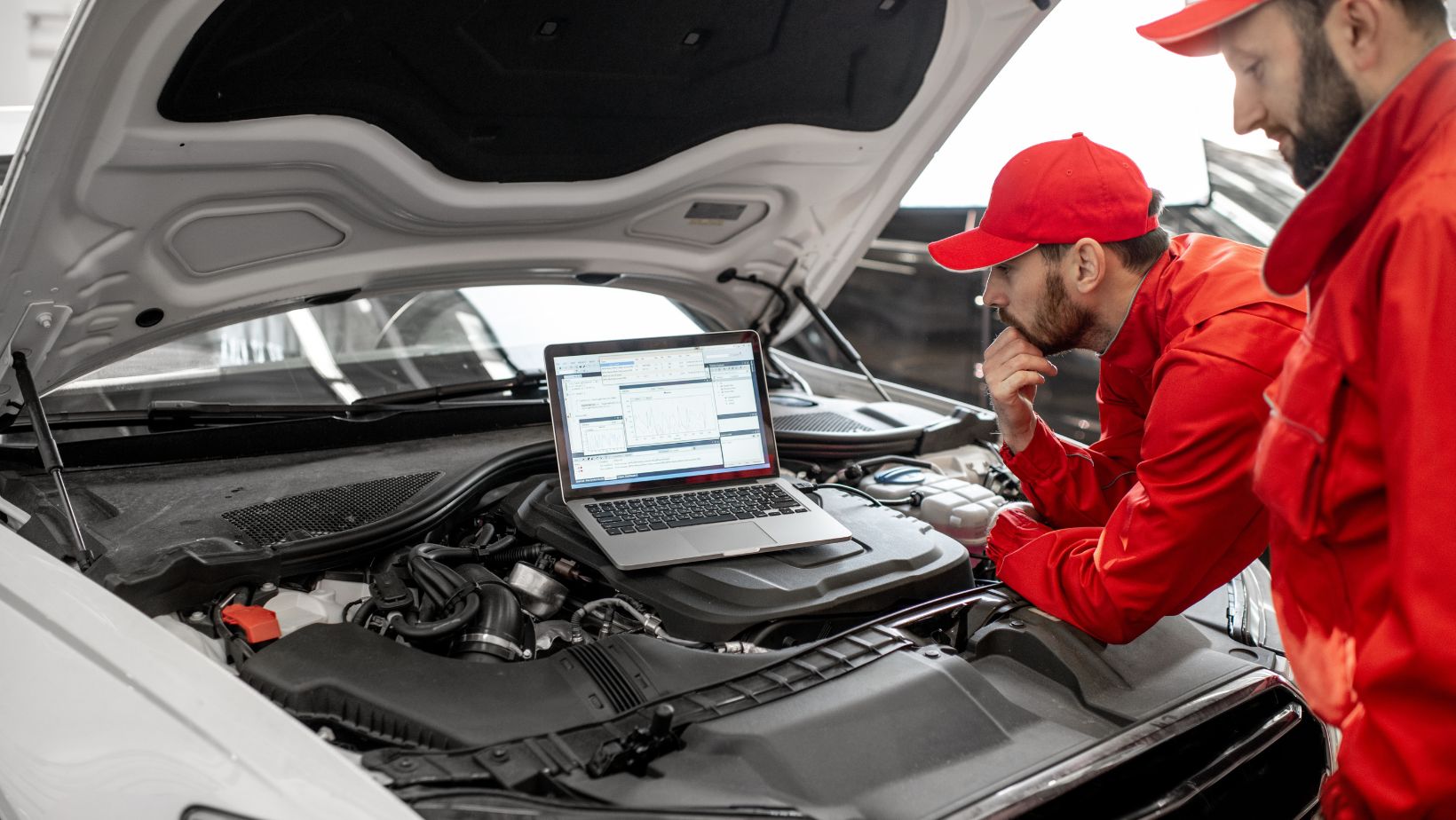
Shopmonkey is a good balance when the shops desire to use modern communication tools without being overwhelmed by complexities.
Why it stands out:
Stores that desire quick adaptation and user-friendly processes for advisors and tech staff.
Fullbay
Fullbay is designed considering heavy-duty, fleet-oriented, and compliance-oriented shops. Here, workflow management is closely related to parts tracking, labour, and job costing.
The inside Fullbay communication is organised into work orders and the status of the job, which assists teams to remain on track on complex and long repair jobs. For shops managing multiple technicians and large vehicles, that structure reduces confusion and rework.
Why it stands out:
Stores that deal with fleet work or heavy-duty repairs are where documentation and coordination are the most important.
RepairShopr
RepairShopr is a combination of repair operations and CRM-like communication. It is especially common among the shops that desire to be flexible in the way they deal with customers, tickets, and invoices.
Its communication tools assist in monitoring conversations, approvals and the history of services under a single location. It is easier to see and track down rejected work or missed services without the need to rely on memory or sticky notes.
Why it stands out:
Shops with mixed service models or owners who want customizable workflows.
TechMan
TechMan is built around technician productivity and job transparency. It focuses heavily on tracking labour, job status, and workflow movement through the shop.
Communication improves because everyone knows where a vehicle stands; waiting, in progress, or ready. Service advisors and technicians stay aligned without constant check-ins.
Why it stands out:
High-volume shops that need tight coordination between techs and advisors.
Why Workflow & Communication Software Matters More Than Ever
Modern auto shops move fast. Without the right systems, small delays stack up quickly.
Workflow and communication software helps by:
- Reducing idle time between approvals
- Keeping customers informed without extra calls
- Preventing jobs from falling through the cracks
- Giving owners real-time visibility into shop activity
It also protects your operation. Cloud-based platforms offer secure data storage, access controls, and automatic backups – critical in an industry handling sensitive customer and vehicle information.
The outcome is a reduction in errors, easy working days, and a shop that seems in control even on the busiest days.
Final Thoughts
Strong shops aren’t louder. They’re clearer. Clear workflows, clear communication and clear expectations; to both customers and staff.
The appropriate software takes the friction out of everyday business, regardless of whether it is a larger platform such as AutoLeap or a more focused application such as Shopmonkey or TechMan.
It turns chaos into flow. And it lets your team focus on what they do best: fixing cars and serving customers.
In a business where time, trust, and transparency drive profit, the right workflow software isn’t optional anymore. It’s foundational.