
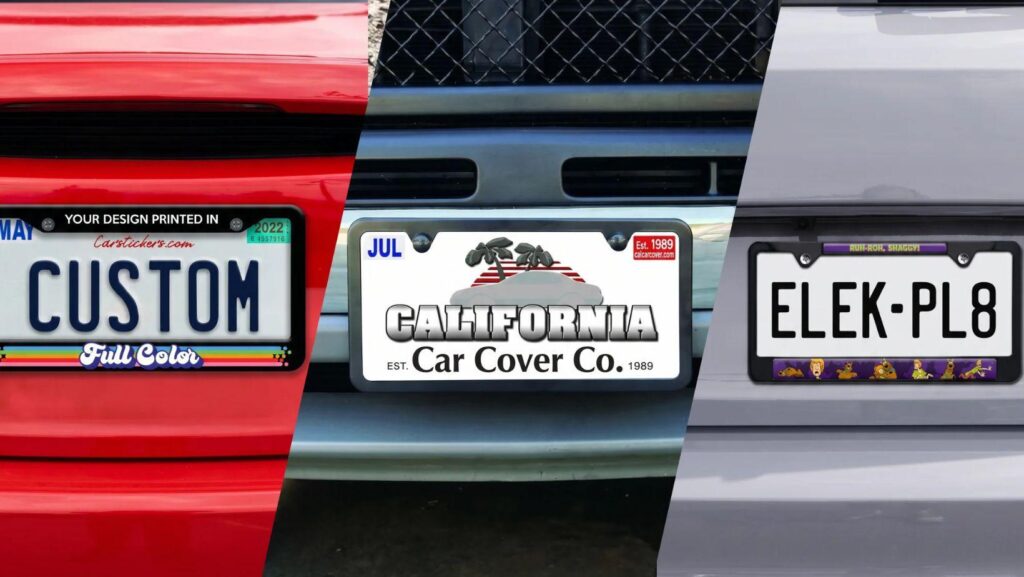
A small exterior accessory can change how a vehicle looks, even when the rest of the body remains untouched. The effect depends on proportions, color, and the relationship between the accessory and surrounding trim. A detail that suits a compact hatchback may look out of place on a large SUV.
Choosing accessories—such as license plate frames—with the vehicle's overall shape in mind helps create a consistent appearance.
Start With the Vehicle's Design Language
Every body style has its own visual character. Sedans often emphasize balanced proportions, while coupes may feature lower rooflines and sharper contours. SUVs and pickup trucks usually have taller profiles and more substantial exterior surfaces.
Before selecting an accessory, examine the existing grille, window surrounds, badges, and bumper details.
A license plate frames collection from Alite offers examples of how different finishes can complement these features. Black and silver frames provide restrained options, while red, carbon-look, and patterned designs introduce stronger accents.
The aim is not to match every component exactly. It is to establish a visual connection between them.
Matching Accessories to Sedans
Sedans typically benefit from accessories that follow their existing trim proportions. A narrow metallic border can complement bright window surrounds or grille details.
Black frames create a quieter appearance on vehicles with dark trim. Silver finishes can echo chrome or polished exterior elements.
The position of the registration plate also matters. A frame should appear integrated with the bumper rather than competing with nearby design features.
Choosing Details for SUVs and Crossovers
SUVs often combine broad body panels, prominent grilles, and contrasting lower trim. These characteristics can accommodate accessories with a stronger visual outline.
A dark frame may connect visually with black wheel arches, roof rails, or bumper inserts.
However, larger vehicles do not automatically require larger decorative elements. The registration plate dimensions remain the starting point, regardless of body size.
Styling Coupes and Compact Cars
Coupes and compact hatchbacks often have limited exterior space for additional details. Their proportions can make small accessories particularly noticeable.
A simple frame may preserve a streamlined appearance. A colored or patterned border can instead serve as a deliberate accent.
The choice should reflect the vehicle's existing styling rather than the accessory's appearance in isolation.
A Practical Exterior Matching Checklist
Before installing a new accessory, consider these details:
- Body proportions: Check whether the accessory complements the vehicle's overall scale.
- Existing trim: Compare its finish with grilles, badges, and window surrounds.
- Color balance: Decide whether the detail should blend in or create contrast.
- Material finish: Consider polished, matte, and textured surfaces.
- Mounting alignment: Confirm that the component sits evenly against its intended surface.
- Plate format: Check dimensions and mounting-hole positions before selecting a frame.
These checks help avoid a combination of accessories that look unrelated when viewed together.
Why Materials and Finishes Matter
Material selection affects both appearance and durability. Aluminum frames can provide a lightweight metal construction, while stainless steel offers strength and corrosion resistance.
Surface finishes also influence how light interacts with an accessory. Polished metal produces brighter reflections, whereas darker finishes generally create a more subdued outline.
Alite offers individual frames and matching pairs, allowing drivers to maintain a consistent appearance across compatible front and rear mounting positions.
Conclusion
Matching exterior accessories to a vehicle begins with observing its proportions, trim, and existing visual details. Sedans, SUVs, coupes, and compact cars offer different styling opportunities, but the same principles apply.
A carefully selected frame can connect the registration plate with the rest of the exterior. Attention to material, color, and fit helps create a cohesive result without extensive modifications.