
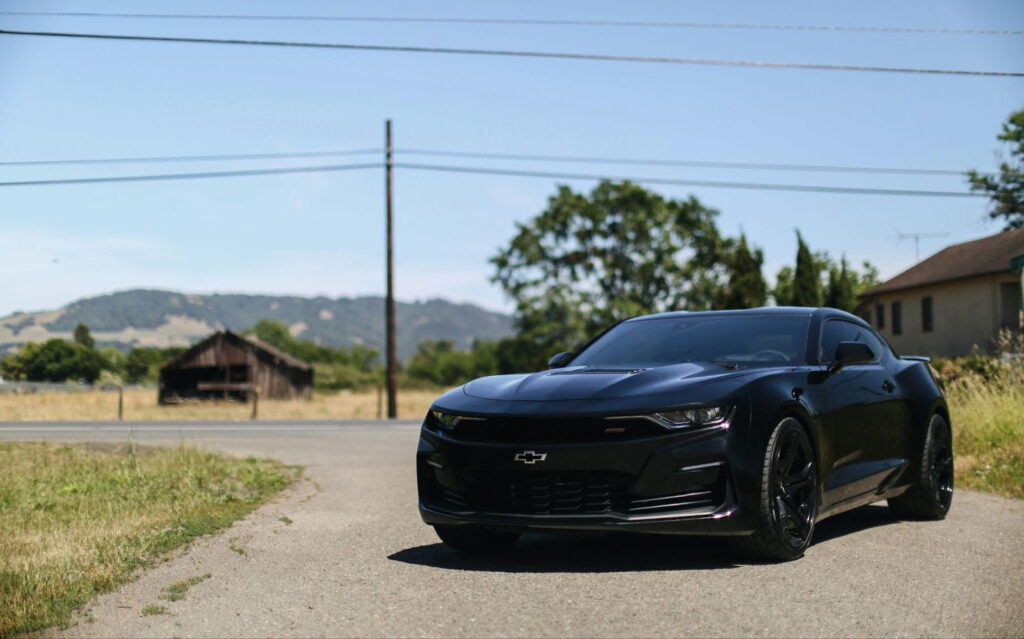
Car lovers face a classic dilemma. Do you want thrilling speed? Do you prefer frugal fuel bills? For decades, this felt like a strict choice. You picked one side. Modern engineering is changing the game. The gap between performance and efficiency is shrinking. The secret is balance.
Finding the sweet spot between power and parsimony is the new engineering holy grail. This balance affects your wallet, your driving fun, and even our environment. Let’s talk about how to find it.
The Engineering Tightrope
Think of performance and efficiency as two sides of a scale. Adding weight to one side tips the other. More power usually means more fuel consumption. Better efficiency often means less thrilling acceleration. Engineers are now masters of this tightrope. They use technology to add performance without gutting efficiency. They also boost efficiency without ruining the driving experience. This is not about compromise. It is about optimization.
Modern engines are proof. A great example is the widespread 3.6 Chevy engine. This V6 is not a gas-guzzling monster. It is not a weakling either. It provides smooth, responsive power for daily driving. It also delivers respectable fuel economy. It sits firmly in that valuable middle ground. It shows a balanced philosophy in action.
The Turbocharger: The Great Equalizer
This little device changed everything. Turbochargers force more air into the engine. This allows a smaller engine to act like a bigger one. You get a performance boost when you press the throttle. When you are cruising, the small engine sips fuel gently. This is downsizing.
A 2.0-liter turbocharged four-cylinder can now match the power of an old 3.5-liter V6. It does this while using much less fuel in normal driving. The turbo provides the performance peak. The small displacement provides the efficiency baseline. It is the most popular tool for balancing the scale.
Hybridization: The Best of Both Worlds?
Hybrid systems take balance to another level. They pair a gasoline engine with an electric motor. The electric motor provides instant, silent torque. This is perfect for launching from a stop. The gasoline engine takes over for highway cruising. It operates in its most efficient range.
Some hybrids can even drive short distances on electric power alone. This combination can be incredibly efficient. Performance hybrids use this tech differently. The electric motor fills in power gaps. It assists the gasoline engine for explosive acceleration. The result is supercar speed with surprisingly reasonable fuel use. It is a sophisticated form of balance.
The Transmission’s Role
The engine creates power. The transmission delivers it. Modern transmissions are key to balance. They have more gears than ever. Eight, nine, or ten speeds are common. Why? More gears allow the engine to stay in its sweet spot. You get a short, punchy gear for quick acceleration. You also get a tall, overdrive gear for quiet, efficient cruising.
The transmission constantly hunts for the perfect ratio. It maximizes performance when you want it. It maximizes efficiency when you do not. It is the silent partner making balance possible.
Weight Is the Enemy of Both
Here is a universal truth. Heavy cars are bad for performance and efficiency. They need more power to accelerate. They also need more energy to keep moving. The quest for balance always involves a diet. Automakers use aluminum, high-strength steel, and even carbon fiber.
Lighter wheels and brakes make a difference. Every pound shed helps the engine. It improves handling. It also boosts fuel economy. Shedding weight is a rare win-win. It moves the entire scale in a positive direction.
Aerodynamics: Slicing Through the Air
At highway speeds, air resistance is a huge factor. A boxy, unaerodynamic shape wastes energy. It makes the engine work harder. This hurts efficiency. It also limits top-speed performance. Sleek, wind-tunnel-tuned shapes reduce drag. This allows for higher speeds with less power.
It also improves fuel economy significantly. Active aerodynamics take this further. Little spoilers rise at speed. Grille shutters close to smooth airflow. The car changes shape to find the perfect balance for the driving condition.
The Driver in the Loop
Technology does most of the work. The driver still holds the final dial. Your right foot decides the balance. Drive aggressively, and efficiency plummets. Drive smoothly, and performance fades into the background. Modern cars often have selectable drive modes. “Eco” mode dulls throttle response. It prioritizes fuel saving. “Sport” mode sharpens everything. It holds gears longer.
The car’s personality shifts. This puts the choice in your hands. You can be efficient on your commute. You can be a performance enthusiast on a weekend backroad. The balanced machine adapts to your mood.

The Right Balance for You
So, how do you find it? Start with honesty. Ask about your real needs. Do you commute 50 miles a day in traffic? Efficiency should be your priority. Do you live for mountain roads and track days? Performance deserves more weight.
Most people live in the middle. We want a car that is engaging when needed. We also want reasonable running costs. This is why balanced powertrains are so popular. They do not force a drastic choice. They provide a satisfying blend of both worlds.
The Takeaway
The battle between performance and efficiency is over. The war was won by balance. Engineers now use every tool to give us more of both. We live in a golden age where you do not have to choose. You can have a car that quickens your pulse. You can also have a car that respects your budget and the planet.
The right balance is out there. It makes driving more enjoyable and more sustainable. That is a win for everyone.