
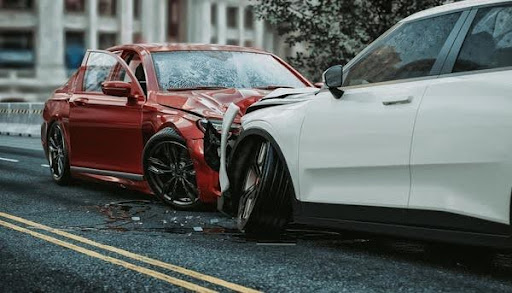
When you think of dangerous cities for drivers, places like Los Angeles or New York might come to mind. But St. Louis has quietly earned a reputation for frequent and often severe car accidents. With congested intersections, outdated infrastructure, and erratic weather patterns, the city presents a perfect storm of risk factors. A quick overview of car accident statistics for the area shows that crashes are far more frequent than many residents realize.
The Numbers Don’t Lie
St. Louis consistently ranks high among American cities for car crash rates. According to recent transportation data, the city has some of the most dangerous intersections in Missouri. In fact, the metropolitan area sees thousands of crashes each year, many involving injuries or fatalities.
Even more alarming is the fact that many of these incidents occur in residential neighborhoods or on seemingly quiet streets. The prevalence of crashes in areas away from highways indicates that aggressive or distracted driving is a citywide issue—not just a problem on interstates.
Contributing Factors: Infrastructure Issues
One major cause of the high accident rate in St. Louis is the city’s aging infrastructure. Many roads were built decades ago and have not been upgraded to handle modern traffic volumes or vehicle sizes. Narrow lanes, confusing signage, and pothole-ridden streets make safe driving more difficult.
Intersections are another major concern. Some of the city’s busiest intersections have poor visibility or lack updated traffic signals. This can lead to drivers making dangerous left turns or failing to yield at the right time. The absence of proper pedestrian crosswalks also raises the risk of vehicle-versus-pedestrian accidents.
Dangerous Driver Behavior
Driver behavior is another significant factor. Speeding, running red lights, and distracted driving are common complaints among St. Louis motorists. Cell phone usage while driving continues to rise despite public awareness campaigns and legal restrictions.
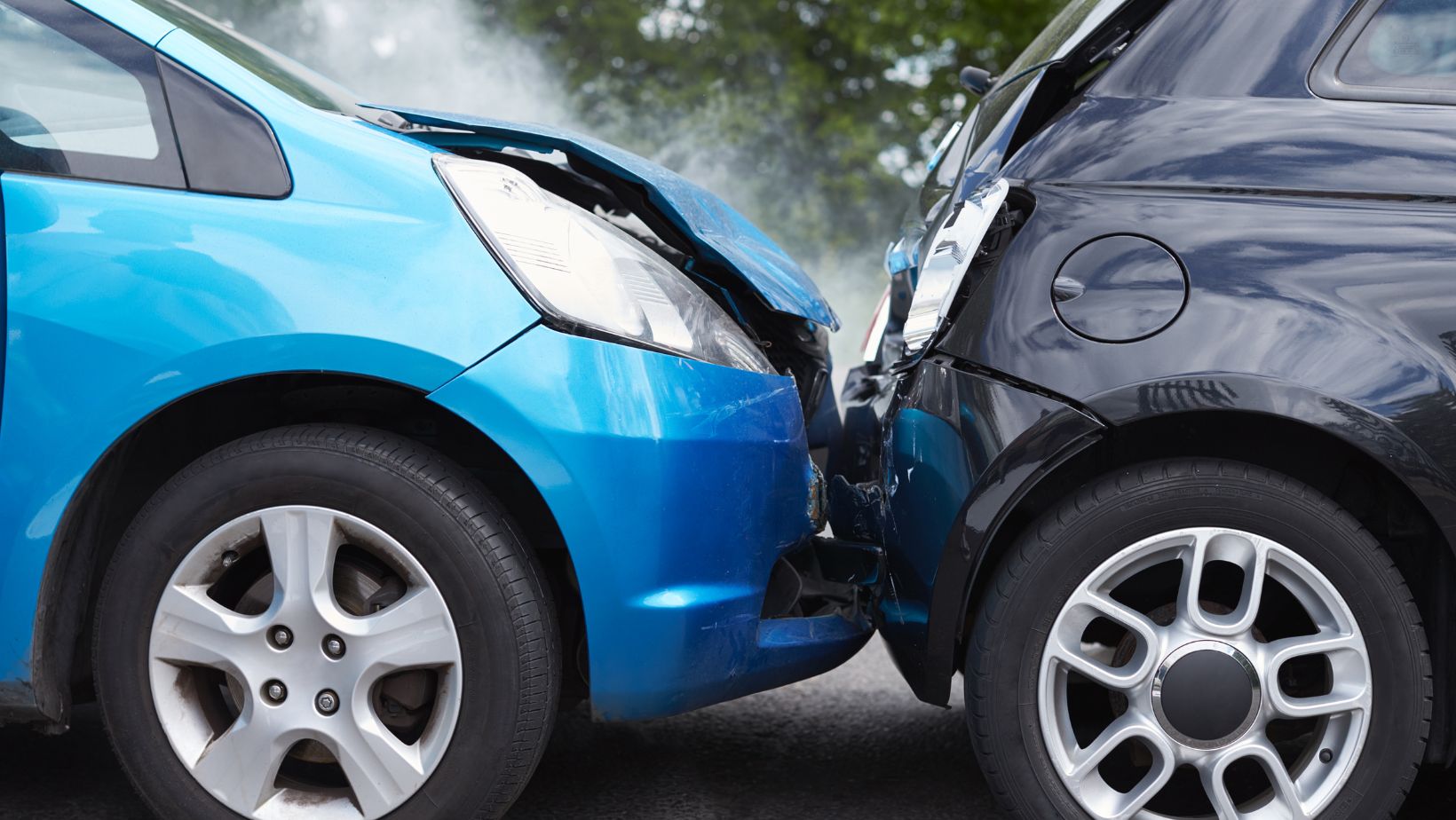
Impaired driving is also a persistent issue. With numerous bars and nightlife options in the city, there is a consistent pattern of DUIs and alcohol-related crashes—especially on weekends and during holidays. Even with increased patrols and stricter penalties, enforcement doesn’t seem to be deterring enough drivers.
Weather Plays a Role
St. Louis weather is unpredictable, which complicates road safety even further. Sudden rainstorms, snow, and icy conditions can quickly turn an ordinary commute into a dangerous situation. Many drivers in the area are unprepared for these rapid changes, resulting in spinouts, fender-benders, and major collisions.
Fog and poor visibility also contribute to multi-vehicle accidents, especially on major roads like I-70 and I-64. These factors are often underestimated by drivers, which leads to dangerous situations where cars are following too closely or braking too late.
Poor Public Transportation Alternatives
Another reason for the city’s high crash rate is its limited public transportation network. While St. Louis does offer buses and a light rail system, these options are not extensive or frequent enough to reduce the number of cars on the road significantly. As a result, most residents rely on personal vehicles to get around.
With so many cars packed into a relatively small urban area, the chances of collisions naturally increase. More cars mean more congestion, more lane changes, and more opportunity for driver error.
What Can Be Done?
Reducing car crashes in St. Louis will require a multi-faceted approach. The city needs better funding for road repairs and infrastructure upgrades, particularly at high-risk intersections. More clearly marked lanes and updated traffic signals could help drivers make safer decisions.
Public education campaigns are also critical. Teaching people about the dangers of texting while driving or the importance of safe driving in bad weather could lower accident rates. Community-based programs and outreach in schools might make long-term changes to driver behavior.
On the enforcement side, more use of red-light cameras and speed detectors could deter reckless driving. Increased DUI checkpoints—especially during high-risk times—could also make a difference.
Final Thoughts
Car accidents in St. Louis are not just a random occurrence—they are the result of a combination of systemic and behavioral problems. Whether it’s outdated roads, poor weather conditions, or dangerous driver habits, the factors are both preventable and addressable.
But first, residents and city leaders need to recognize the extent of the problem. Only with awareness and action can St. Louis begin to reverse its trend of frequent vehicle collisions and build safer roads for everyone.