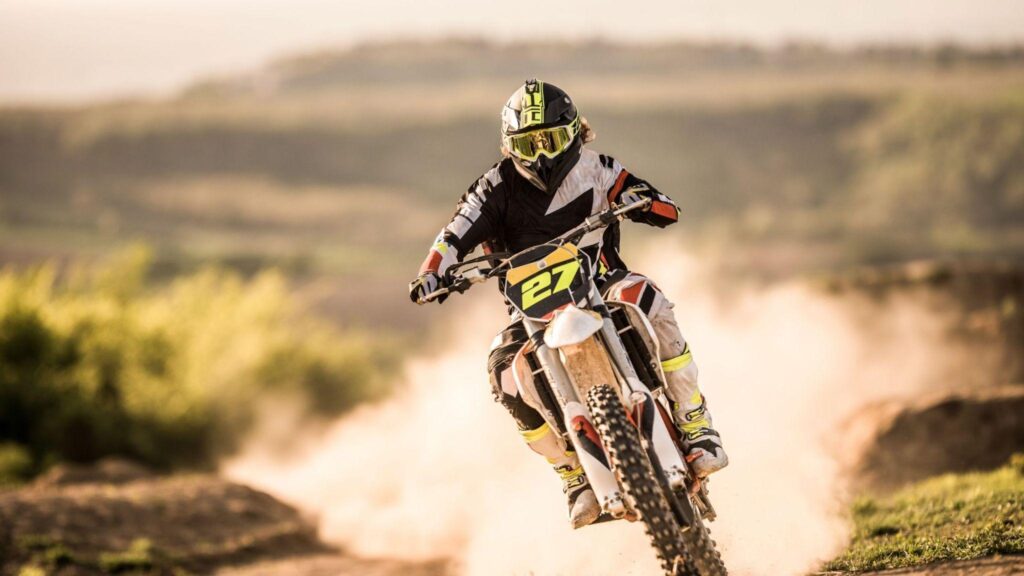
Electric dirt bikes have changed how many families introduce kids to off-road riding. There is no clutch to stall, no engine noise to bother the neighbours and, on some models, a remote that lets a parent cut the power from the side of the trail. Those are real advantages, but they do not make a dirt bike any less of a motorcycle, and the decisions around fit, rules and protective gear deserve the same care they always have.
Why electric bikes appeal to parents
Sur-Ron built its reputation on the Light Bee, a lightweight electric bike that caught on with adult trail riders. More recently, the brand has aimed squarely at younger riders with the Hyper Bee. In its review of the 2025 Hyper Bee, Cycle News describes a 14-inch front and 12-inch rear wheel setup, a ready-to-ride weight of 86 pounds (about 39 kg), three power modes plus reverse, and a Bluetooth remote that lets an adult change power levels, shut the bike off or talk to the rider through an onboard speaker.
That kind of control is hard to replicate on a gas bike. The quiet operation also helps: a parent can actually coach a child mid-ride instead of shouting over an exhaust note.
Fit comes before power
The most common mistake is buying a bike a child will “grow into.” An oversized bike is harder to hold up, harder to stop and far more intimidating, which tends to slow progress rather than speed it up.
A practical test is to have the rider sit on the bike in boots. They should be able to touch the ground with the balls of both feet, reach the brake levers comfortably with two fingers and stand on the pegs without stretching. The Hyper Bee’s seat height adjusts from 26 to 27.8 inches (roughly 66 to 71 cm), according to the same Cycle News review, and optional smaller wheels drop it by about an inch. Testers found a nearly eight-year-old fit well at the lowest setting, while two six-year-olds found it a little tall.
Speed is the other consideration. Cycle News measured a top speed of 34 mph, or about 55 km/h. That is plenty for a beginner, which is why the lower power modes matter so much in the first months of riding.
What Ontario’s rules say
Ontario’s guidance on driving an off-road vehicle lists off-road motorcycles among the vehicles it covers. Off-road, the driver must be at least 12 years old unless they are directly supervised by an adult or riding on land owned by the vehicle’s owner. Drivers and passengers must wear an approved motorcycle helmet, properly fastened, whether they are on or off the road. Riding is limited to designated areas, such as trails, private property or Crown land, and you always need the landowner’s permission.
Paediatric experts would like the bar set higher. The Canadian Paediatric Society’s 2025 position statement on off-road vehicle use, which focuses mainly on ATVs and side-by-sides, recommends a minimum operator age of 16. It reports that 6,452 Canadian children and adolescents were hospitalized because of off-road vehicle incidents between 2012 and 2022, and that 230 died. Dirt bikes are a different machine, but the message about young riders and motorized vehicles carries over.
The gear list that actually protects kids
The same CPS statement notes that children who do not wear a helmet face a fivefold higher risk of severe head or neck injury. A helmet is the start of the kit, not the end of it:
- Helmet: a properly certified off-road motorcycle helmet, sized at a shop rather than bought online by age. It should not rock or slide when the rider shakes their head.
- Goggles: roost, branches and dust all aim for the eyes.
- Boots: real motocross boots, not hiking boots. Ankle and foot injuries are common when a small rider puts a foot down in a turn.
- Gloves: padded off-road gloves protect hands in falls and improve grip.
- Chest and back protection: a roost guard or body armour that covers the chest, shoulders and spine.
- Knee and elbow guards: hard-shell guards or braces, depending on the rider’s level.
Long pants and a long-sleeved jersey round it out. Children grow quickly, so check the fit of every piece at the start of each season.
Set the bike up before the first ride
Before the first ride, spend an hour in the garage. Adjust the brake lever reach so small hands can squeeze them fully, set the bike to its lowest power mode, and make sure the parental remote is paired and charged. Practise turning the bike off with the remote so you are not fumbling with it when it matters.
Families comparing models often start with the youth-focused Hyper Bee and look at how the lineup steps up from there. It helps to explore Surron electric bikes side by side, from the Hyper Bee to the full-size Light Bee and Ultra Bee, so you understand how seat heights, weights and power climb before a growing rider is ready to move up.
Build skills in the right places
An open field or a private property with permission is the ideal classroom: flat, free of traffic and away from other riders. Start with stopping, slow-speed turns and riding while standing, then add small obstacles. Many motocross parks run youth tracks and riding schools, and a few hours with a qualified coach can correct habits before they become ingrained.
One last practical habit: walk the riding area before every session. Kids ride where they are told to ride, so it is on the adult to spot the hidden rock, the washed-out rut or the fence line at the edge of the field before the bike is ever switched on.